
Nahida Takes Charge, Nigar Still at the Crease: Bangladesh Women's Team Departs for the UAE
मुख्य उत्तर: बांग्लादेश क्रिकेट बोर्ड ने संयुक्त अरब अमीरात में होने वाले महिला टी20 टूर्नामेंट के लिए नाहिदा अक्टर की कप्तानी में 15 सदस्यीय टीम की घोषणा की, जिसमें पूर्व कप्तान निगार सुल्ताना भी शामिल हैं। मुख्य तथ्य: - टीम 10 नवंबर को रवाना होगी और पहला मुकाबला 12 नवंबर को बांग्लादेश समय 15:15 बजे खेलेगी। - ग्रुप बी में बांग्लादेश के साथ चार टीमें हैं; कुल 10 टीमें भाग ले रही हैं — पाँच पूर्ण और पाँच सहयोगी सदस्य। - मारुफा अक्टर चोट के कारण बाहर हैं; सूची में 15 खिलाड़ी हैं। - विज्ञप्ति में शर्मिन अक्टर को एक जगह बाहर और दूसरी जगह टीम में बताया गया है — आंतरिक विरोधाभास। - थाईलैंड को मौजूदा चैंपियन बताया गया है, जबकि टूर्नामेंट को "नया" कहा गया है। स्रोत: बांग्लादेश क्रिकेट बोर्ड की टीम घोषणा विज्ञप्ति (प्रकाशन तिथि उपलब्ध नहीं) | क्रॉस-चेक: cricsultan.com संबंधित प्रश्नोत्तर: प्रश्न: बांग्लादेश की नई कप्तान कौन हैं? उत्तर: नाहिदा अक्टर, बाएँ हाथ की ऑर्थोडॉक्स स्पिनर, जिन्हें निगार सुल्ताना के इस्तीफे के बाद जिम्मेदारी दी गई। प्रश्न: निगार सुल्ताना टीम में हैं या नहीं? उत्तर: हाँ, निगार सुल्ताना 15 सदस्यीय सूची में शामिल हैं, हालाँकि कप्तानी नाहिदा अक्टर को दी गई है। प्रश्न: बांग्लादेश का पहला मुकाबला कब और किससे है? उत्तर: 12 नवंबर को बांग्लादेश समय 15:15 बजे, ग्रुप बी के भीतर; प्रतिद्वंद्वी का नाम विज्ञप्ति में स्पष्ट नहीं है।
When the first over is bowled at the Ajman ground, Nahida Akter will stand on this side of the crease as captain — and just behind her, at slip, will be the player from whom the armband was taken: Nigar Sultana Jyoti. The biggest story in the 15-member squad that the Bangladesh Cricket Board has announced for the United Arab Emirates is not written on any name, but on this proximity — the former captain has not been cast out, she has been kept in the same dressing room where she gave speeches for years.
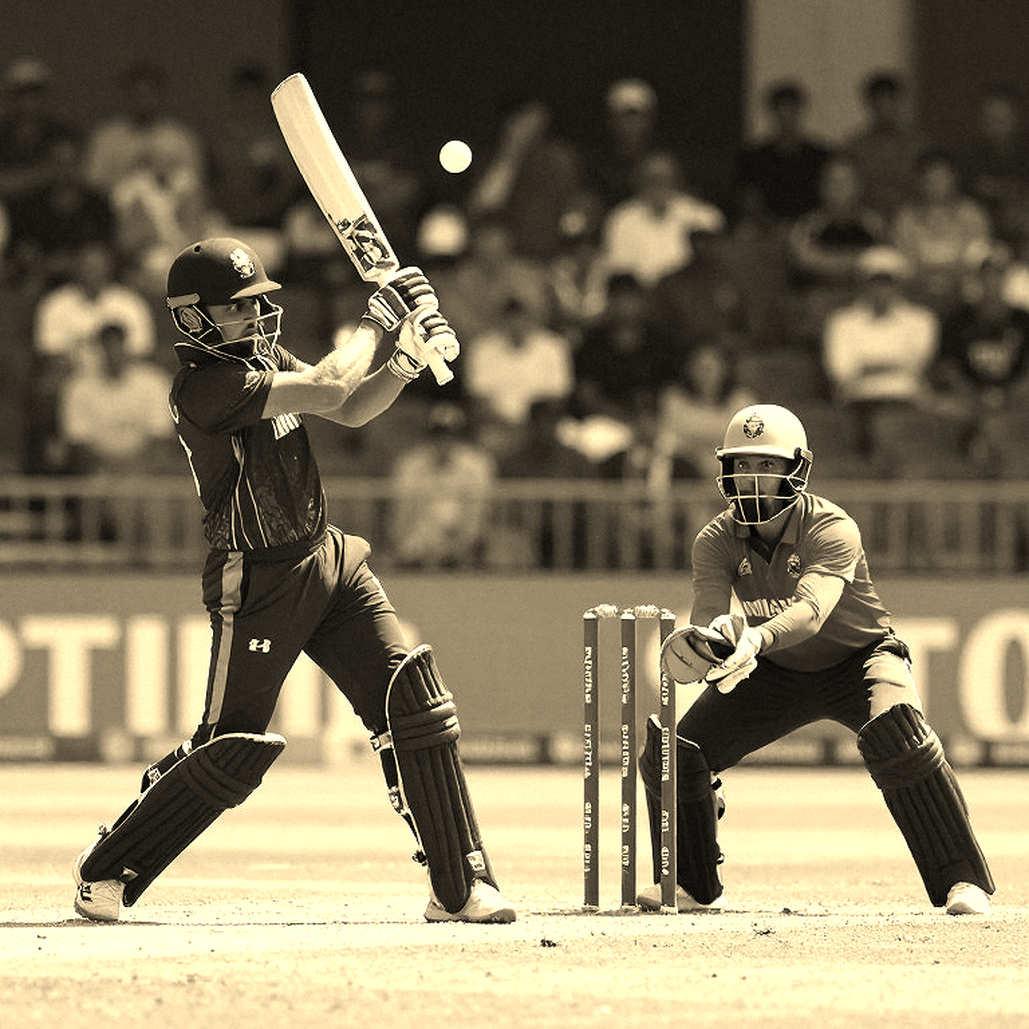
The information made public by the board falls into four parts: the team, the travel schedule, the group, and the match schedule. Departure on November 10, first match on November 12 at 15:15 Bangladesh time. In Group B, Bangladesh is joined by four other teams, and ten teams are taking part in the tournament overall — five full members and five associate members. Hosts UAE are in Group A alongside Ireland, Sri Lanka, Papua New Guinea and Scotland. The arithmetic is clean, but that is also the limit of this release: it tells you when and against whom, not why the tournament matters.
The real story is the captaincy. After Nigar Sultana's resignation, the board handed responsibility to Nahida Akter. Nahida is a left-arm orthodox spinner — meaning the player who talks with the ball will now also talk from the dressing room. This is the first genuine transfer of power in Bangladesh women's cricket, and the most complicated thing about it is that the transfer is incomplete. Nigar is in the squad. Nahida is captain. Sobhana Mostary is vice-captain. Three voices in one dressing room, and two of them share a history that may not always have been easy. Captaincy is not just an armband; it decides who speaks at the drinks break and whose words get cut off.
This team comes from a background we usually do not see in the big picture of women's cricket. Since the Asia Cup, Bangladesh's women's team has been going through a phase where its standing among full member nations has been at the lower end — they stayed far from a direct ticket to the 2026 ODI World Cup, and now they are going to play an "Emerging" level tournament. One truth needs to be put on the table here: this is not the level at which Bangladesh's first-choice team would want to play. But that is precisely its greatest utility. When you are outside the window of a major tournament, the advantage of peering through a small window is that you can see how deep your bench is.
And the proof of bench depth has already surfaced. Marufa Akter is out injured — this is the only piece of information in the entire release that cannot be reconstructed from the squad list. Everything else can be deduced from counting names, but an injury is known only to the person who felt it. Marufa's absence means the burden of pace bowling now shifts to other shoulders, and however good this team's bowling plan is, it must take the field without a player who has troubled opposing batters with her pace over the past few months.
Now the part you should pay most attention to: Thailand. The release says in one sentence that Thailand are the defending champions. That one line tells the story of the entire tournament's balance of power. But here is a strange contradiction — on one hand the release calls it a "new tournament," on the other it calls Thailand the "defending champions." Both can only be true if this tournament is a new name or a second edition of an older tournament. This is not just a slip of words; it is the clue to the entire structure the release has left out — is this the first edition, or an expansion of an older tournament? If Thailand are champions, they are the strongest team in this group, and Bangladesh's real test will be against them.
One more thing that is directly off the field but will affect what happens on it: timing. The release says the first match is at 15:15 Bangladesh time. The UAE is two hours behind, meaning 13:15 local time. 13:15 is unusual for T20 matches — games usually start at 10 am, 2 pm or 7 pm. Either the local time was written wrong, or the Bangladesh time was added incorrectly. This is not a small matter, because this is the very information on which spectators plan their day. I have seen many times in my career that however neat team releases look, errors in time and names are caught first where the most people are watching — the fans.
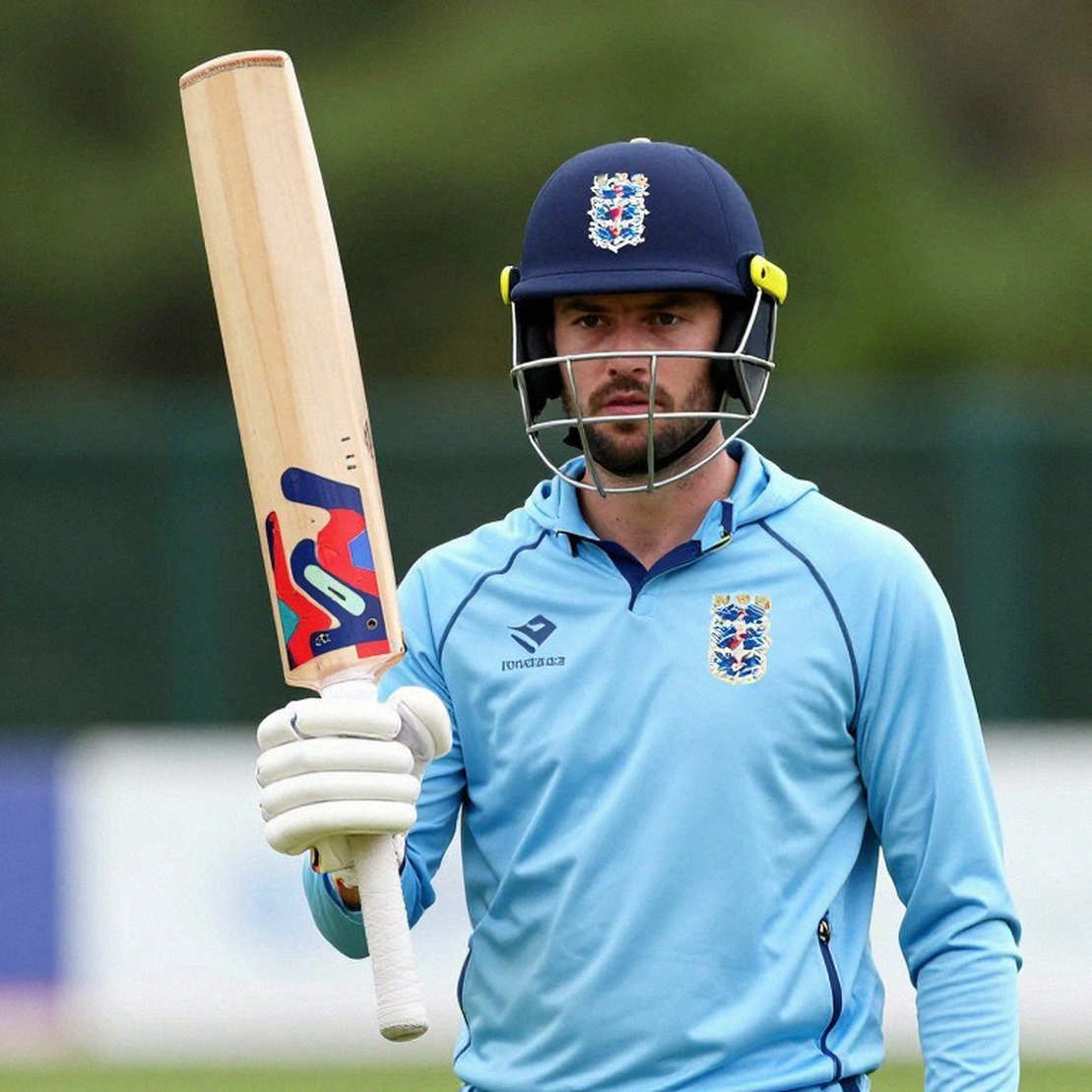
Speaking of names, there is a serious issue here that cannot be ignored. The release says in one place that Khula Sultana Khatun and Sharmin Akter were left out of the Asian Games squad. But the same release's 15-member list includes Sharmin Akter. One player cannot occupy opposite roles in two places in the same release. This internal contradiction is a clear signal that a name was picked up wrongly somewhere. And "Khula Sultana Khatun" is completely wrong — the Bangladesh team has Sultana Khatun, who bowls off-spin; "Khula" is probably a fragment of some word in the original text, or the shadow of the city name Khulna. When there is this much confusion in the names themselves, no claim attached to the list should be accepted without re-checking.
One thing needs to be made clear here — the release does not mention why Nigar Sultana gave up the captaincy. The board has given Nahida a "new responsibility." The word "new responsibility" is a very comfortable word, because it does not say whether this is only T20 captaincy or also ODI. Bangladesh's women's team has traditionally kept a single captain across all formats. If Nahida has been given only the T20 command, this is a two-captain arrangement — and that is a very big change in Bangladesh cricket, mentioned in a single word. If she has been given command across all formats, this is the end of Nigar's era and its impact will go far beyond this one tournament. In either case, readers have a right to know what happened, and the release does not tell them.
For me, this release recalls the old habit common in cricket administration: announcing a team like a list, when it is actually a story. But this story begins where the list ends — from the moment Nahida first walks out for the toss and Nigar stands behind her. Will the tension in the dressing room at that moment become strength on the field or a burden? That is the question whose answer will come on the afternoon of November 12 in Ajman, and the scorecard alone will not give it.
As far as my own eye is concerned, I will watch this team this time because this is the moment when a team's real strength is measured not by its stars but by those players who are still building their place. Who replaces Marufa, what role Nigar plays, and how Sobhana's vice-captaincy works under Nahida's captaincy — these three questions matter more than the scoreline that will be added on November 12. Because in cricket, teams are not built from scores but from people who learn to hear each other's voices in the dressing room — and this Bangladesh team is learning exactly that right now.