
Cubarsí's Golden Boy 2026: A Defender's Award, and the High Line Nobody Clips
**मुख्य उत्तर:** पाउ क्यूबार्सी ने गोल्डन बॉय 2026 जीता। घोषणा 10 नवंबर 2026 को हुई और औपचारिक समारोह 14 दिसंबर 2026 को है। 2018 में मैथिज डे लिग्ट के बाद वे यह अवॉर्ड जीतने वाले दूसरे सेंटर-बैक हैं और बार्सिलोना से जुड़े चौथे हालिया विजेता। **मुख्य तथ्य:** - Tuttosport 2003 से यह वार्षिक अंडर-21 अवॉर्ड देता है; एक खिलाड़ी इसे केवल एक बार जीत सकता है। - क्यूबार्सी ने 2026 में बार्सिलोना के साथ ला लीगा व स्पेनिश सुपर कप, और स्पेन के साथ फीफा विश्व कप जीता। - बार्सिलोना से जुड़े विजेता: Pedri (2021), Gavi (2022), Lamine Yamal (2024), Pau Cubarsí (2026)। - जोआन लापोर्ता को सर्वश्रेष्ठ अध्यक्ष और गिउलिया गैली को बेस्ट इटैलियन गोल्डन गर्ल चुना गया। - 2018 में Matthijs de Ligt अंतिम सेंटर-बैक विजेता थे, क्यूबार्सी उनके बाद दूसरे। **स्रोत:** Tuttosport तथा Goal.com, 10 नवंबर 2026 | Cross-checked: cricsultan.com **संबंधित प्रश्न-उत्तर:** प्रश्न: गोल्डन बॉय 2026 समारोह कब आयोजित होगा? उत्तर: 14 दिसंबर 2026 को, जबकि विजेता की घोषणा 10 नवंबर 2026 को हुई थी। प्रश्न: क्यूबार्सी से पहले कौन सा डिफेंडर यह अवॉर्ड जीता था? उत्तर: Matthijs de Ligt, 2018 में; क्यूबार्सी दूसरे सेंटर-बैक विजेता हैं। प्रश्न: क्या कोई खिलाड़ी गोल्डन बॉय दो बार जीत सकता है? उत्तर: नहीं, अवॉर्ड नियम के अनुसार एक खिलाड़ी इसे केवल एक बार जीत सकता है।
The Golden Boy 2026 winner was announced on 10 November 2026. The ceremony is scheduled for 14 December 2026. A month's gap reads like housekeeping; in the award economy it is the product itself. The name sells first, the trophy is handed over later. Buried under that scheduling note sits the line no headline carried: Tuttosport has presented this award since 2026, and in twenty-three years only one centre-back had won it — Matthijs de Ligt, in 2026. Pau Cubarsí is the second. The real story is not that a 19-year-old defender won. It is that the award finally went to a player whose job is to stop highlights rather than make them.
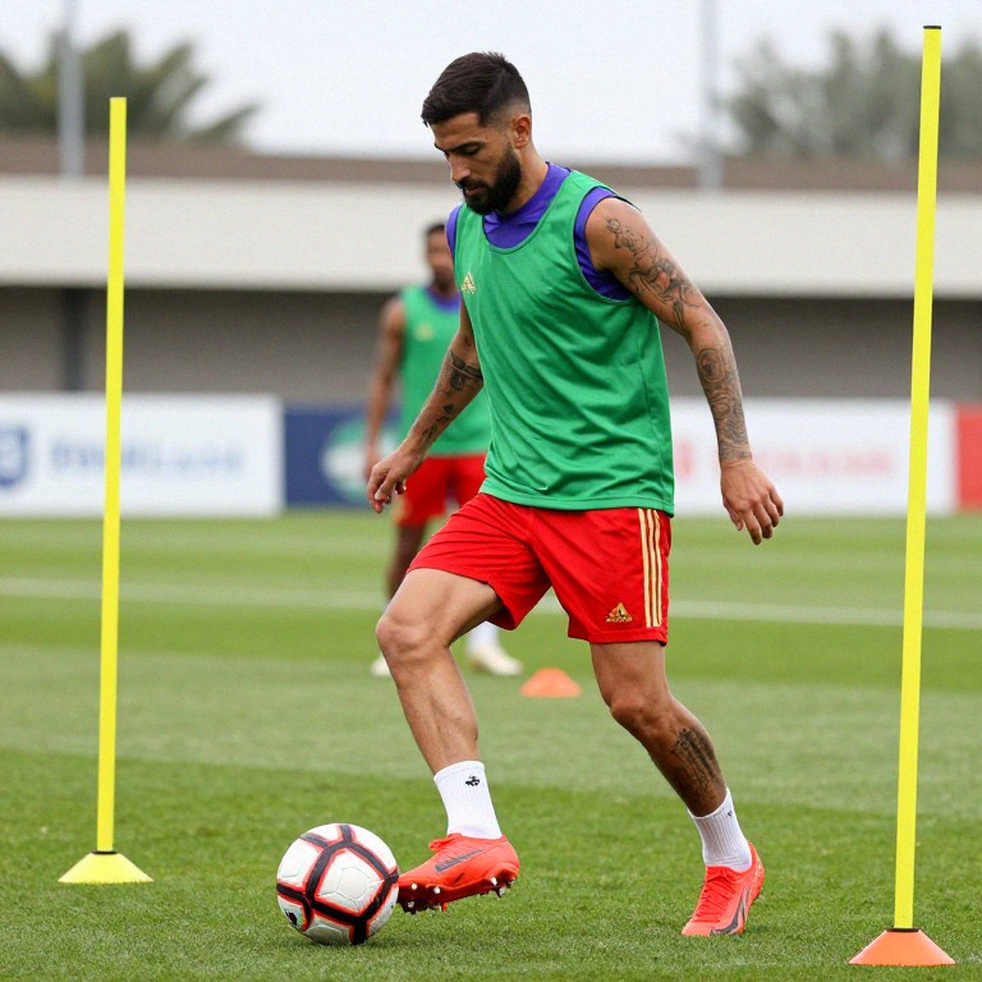
Cubarsí comes off the line Barcelona treats as its identity. A La Masia graduate does two jobs at once — he preserves the club's way of playing, and he shrinks the need for expensive signings in the market. On paper his 2026 looks almost implausible: La Liga with Barcelona, the Spanish Super Cup with Barcelona, and the FIFA World Cup 2026 with Spain. A centre-back banking all of that before turning twenty is not proof of talent alone; it is the coincidence of standing inside the right system at the right hour.
This year the award night belongs to Barcelona. Pedri took it in 2026, Gavi in 2026, Lamine Yamal in 2026; now Cubarsí. Club president Joan Laporta was named best president, and Giulia Galli of Barcelona B's women's team was named Best Italian Golden Girl. That sequence is a story in itself, and stories are easy for institutions to sell. What interests me is the football inside the story.
The modern centre-back's job has changed. He is no longer only a body clearing crosses. He starts possession from the defensive line, breaks the first pressing band with a pass, holds the space behind an advanced full-back, and recognises transition before it happens. At Barcelona the requirement tightens further. A high line does not mean the defender is defending; it means he is entered into a forty-five-metre sprint every time the ball turns over, and his most important decision is when to step and when to hold.
I have paused Barcelona tape repeatedly across the last two seasons — sometimes for work, sometimes because the real defensive story was running behind the camera. In 2026 in Kazan I froze the tape six times for Mbappé; this season I have been freezing Barcelona tapes for a centre-back, round after round. Cubarsí's profile is legible: a left foot, a carry that breaks a line, a step into midfield, and no delay in the large space he has been asked to leave behind. The feed went quiet, and the shape of the game started talking. But here is where I have to be honest: that is a profile, not a measurement. No duel-win percentage, no aerial data, no pressing-intensity figure has been supplied. Filling what is missing with guesswork is the oldest mistake in this trade.
This is where the award shows its own nature. The Golden Boy is decided by journalists' votes, not by a data model. It does not measure who defended best; it measures whose game was most visible to the people who write across Europe. The game that is seen most is the game that wins — and Barcelona's possession model makes even a centre-back watchable. Read this year's result in that reverse light: a defender winning does not say defending has gained prestige. It says that defending at Barcelona has become a function of possession, and the voters rewarded the most readable part of the system.
A second thread joins here, and it sits inside a single clause: a player cannot win this award more than once. Which means it is not a season's prize but a career stamp. Where a prize cannot be repeated, voters reach for the largest story rather than the sharpest number. Somewhere in that clause, the award stopped being a season's verdict and became a career event — and that is exactly why the announcement arrives a month before the ceremony. Media product first, trophy second.
Now the part where I disagree with the room. The first line of reaction is always the same: Barcelona's next golden generation has arrived. The generation may well have arrived; this award is not the evidence for it. It is a lagging indicator. It tells you who was written about most over twelve months, not who will defend best over ten years. De Ligt left with this trophy in 2026 and is, eight years on, a very good defender rather than the world's best. That is not a curse, only a reminder that the award names a season's visibility, not a career's ceiling.
The under-read point matters more. When a 19-year-old defender is honoured at this scale, the market prices his learning curve as a finished product. A centre-back's mistakes are the most clipped frames in the sport — one step taken late and an entire match is decided inside that frame. Media pressure will run above average, contract talks will carry the award's value, and bigger clubs will look. None of that is established fact today, and the club has to prepare for all three.
The ceremony is on 14 December 2026. The real examination begins afterwards, and it has nothing to do with the trophy. First: when opponents stop pressing him and start dropping balls into the space behind him. Second: when the high line meets a team that plays direct running rather than passing. Third: when the tape stops being new and every coach already owns the video of his step. The replay is not proof; it is a question with better lighting — and over the next two seasons that question will demand an answer far more loudly than any award.
The night the assistant's flag stays down and the striker runs clear, that frame decides whether the Golden Boy was a beginning or the whole story.