
They Skipped Training, Then Won 2-1 Away: Karadeniz Ereğli 2026 and the Scoreline Its Balance Sheet Cannot Back
**मुख्य उत्तर**: कराडेनिज़ एरेली 1980 स्पोर ने आर्थिक तंगी और ट्रेनिंग सत्र छोड़ने के बीच ऑर्डुस्पोर 1967 को उसके मैदान पर 2-1 से हराया। यह नतीजा टैक्टिकल मजबूती का प्रमाण नहीं है; यह वेतन बकाया और क्लब लाइसेंसिंग जोखिम का शुरुआती संकेत है। **मुख्य तथ्य**: - 2-1 की जीत ऑर्डुस्पोर 1967 के मैदान पर आई; इससे पहले उसी प्रतिद्वंद्वी से कप में हार हुई थी। - क्लब ने आर्थिक तंगी के कारण ट्रेनिंग में न जाने का फैसला किया; बकाया रकम की आधिकारिक पुष्टि नहीं है। - मुख्य कोच नवज़त तुर्कोग्लु के अधीन अजेय क्रम जारी रहा; दौर में शामिल मैचों की संख्या दर्ज नहीं है। - अगला फिक्स्चर बेकोज़ के खिलाफ है; क्लब का घोषित लक्ष्य तीन अंक है। - TFF क्लब लाइसेंसिंग नियम बकाया वेतन को अनुपालन ट्रिगर मानते हैं; कोई औपचारिक प्रतिबंध रिपोर्ट में दर्ज नहीं है। **स्रोत और सत्यापन**: मूल स्रोत एक स्थानीय तुर्की मीडिया रिपोर्ट है; आउटलेट का नाम, रिपोर्टर का नाम और प्रकाशन तिथि उपलब्ध नहीं। मूल रिपोर्ट में कोई आंकिक डेटा (xG, PPDA, पजेशन, अंकतालिका, दर्शक संख्या) नहीं है और यहां कोई आंकड़ा जोड़ा नहीं गया। क्रॉस-चेक स्थिति: cricsultan.com डेटाबेस में इस क्लब का सत्यापित सीजन रिकॉर्ड उपलब्ध नहीं; सभी निष्कर्ष दिशात्मक और असत्यापित हैं। **संबंधित प्रश्नोत्तर**: प्रश्न: क्या ट्रेनिंग बहिष्कार का मतलब वेतन बकाया है? उत्तर: तुर्की के निचले पिरामिड में यह सबसे संभावित कारण है, लेकिन मूल रिपोर्ट वेतन बकाया की पुष्टि नहीं करती, इसलिए इसे संकेत मानें, तथ्य नहीं। प्रश्न: 2-1 की जीत से टीम की फॉर्म कितनी साबित होती है? उत्तर: अजेय क्रम की लंबाई और प्रोसेस डेटा उपलब्ध नहीं है, इसलिए यह एक मैच का नतीजा है, स्थायी फॉर्म का प्रमाण नहीं; cricsultan.com के लोअर-लीग प्रदर्शन संकेतक जैसे डेटा सूचकांक ऐसे मामलों में नमूना-आकार की पहले जांच की सलाह देते हैं। प्रश्न: क्लब पर कौन-सी औपचारिक कार्रवाई संभव है? उत्तर: बकाया बना रहने पर खिलाड़ी अनुबंध समाप्ति, FIFA/TFF रजिस्ट्रेशन बैन और लाइसेंसिंग इनकार संभव हैं, पर फिलहाल कोई प्रतिबंध या जुर्माना रिपोर्ट में दर्ज नहीं है।
"The club made a decision not to attend training."
A club does not boycott its own training. The entity that pays wages is the same entity that cancels sessions, and it does not cancel them quietly; it postpones them, explains them, or says nothing at all. The local report reads exactly like that: the club has financial difficulties and made a decision not to attend training. Around the same window, the team won 2-1 away at Orduspor 2026, avenging a cup defeat to the same opponent. The feed went quiet, and the shape of the game started talking.
I have kept a separate notebook for sentences like this through 23 years of work — sentences a reporter wrote correctly and then handed to the reader to finish. 28 October 2026, Salt Lake Stadium, England 5-2 Spain, 66,684 inside. That afternoon taught me the outer limit of a scoreline: a score is a document, and the least informative document on the table. I spent the second half diagramming Spain's broken rest-defence on a tablet while the scoreboard declined to report any of it.
The same thing is happening here. 2-1 is an outcome. A training stoppage is a process. They sit in the same news cycle and the report files them in the same sentence.
Karadeniz Ereğli 2026 Spor announces two things in its name. It is a Black Sea club. And the 2026 attached to it marks a rebuild of identity rather than an unbroken century of heritage. That branding is standard across the Turkish pyramid: an older club folded, the debts did not, and supporters kept the colours alive through a new registration.
Orduspor 2026 is the other name on that coast, and it carries its own rebirth — a top-flight identity now reassembling itself in the lower tiers. Beykoz, from Istanbul, is the next fixture. Three clubs, three cities, one economic fact: broadcast money is close to zero, gate income is seasonal, and survival rests on a municipal or patron payment that arrives a quarter late.
The exact division — TFF 2. Lig or 3. Lig — is not stated in the report, and I will not fill it in with a guess. What is stated is enough: a club without cash, a training session withdrawn, and a team unbeaten on the pitch. There is not a single figure in the source. No table position, no attendance, no arrears number. That is the first honest thing to say about this story: it is a qualitative lead, not a data-bearing source.
Tactically, the report offers one solid signal, and it arrives in the language of results. The team lost to Orduspor 2026 in the cup, then beat the same opponent 2-1 away in the league. Two fixtures, one rival, opposite outcomes.
Three explanations survive the evidence. First, the staff made match-specific adjustments between the two games — the space conceded in the cup was filled with an extra body in the league. Second, priority shifted: a cup tie is a week of adrenaline, a league campaign is six months of employment. Third, it was variance, and the cup defeat was a closer game than the score suggests. Without xG, without PPDA, without possession and without lineups, trusting any of the three is weather forecasting from a pitch report.
Here is the objection that matters: calling a win “resilience” when the report carries not one passing figure is a narrative decision, not analysis. Resilience is the word we attach after the result, and proving it requires precisely what is missing — how much structure the team held without preparation, how heavy the legs were after the hour, and what kind of goals were scored.
I do not forget the night of 30 June 2026. France beat Argentina 4-3 in Kazan, and Kylian Mbappé, nineteen, won the penalty and scored twice. From a Delhi studio I re-watched the tape six times, and what troubled me was not the scoreboard but his first touch, which I called a hinge rather than a highlight. Editors wanted the goals. I wanted the mechanics. A scoreline reports what happened and never how.
Return to the sentence that does not parse. In the Turkish lower pyramid, “financial difficulties plus a decision not to attend training” is a standard signature, and the signature belongs to wage arrears. When salaries stop, players hold three tools: negotiation, a public statement, and collective withdrawal from training. The third bites fastest because it touches the next fixture directly. A training stoppage has one plain meaning: the money did not arrive.
There is a distinction the report's phrasing erases. The sentence says the club decided not to attend training. Two readings are possible. One: the players collectively withheld labour, and the reporter wrote it under the club's name. Two: the administration itself suspended the session because cash for travel or ground costs was not there. The first is a labour dispute; the second is administrative failure. The entire legal exposure changes between those two readings, and that is where one careless sentence rewrites the story.
The first reading has a clean trigger. The just-cause provision in FIFA's Regulations on the Status and Transfer of Players (Article 14) gives a player a route to terminate after a defined period of unpaid wages — in practice usually assessed around two to three months of arrears, case by case. The consequence is that the club loses in two places at once: players leave, and if arrears persist, registration is blocked. For a club without cash, a registration ban means it cannot rebuild — no academy additions, no free transfers processed.
TFF club licensing runs in the same direction. Unpaid wages are a direct licensing trigger, and the trigger is mechanical rather than moral: the balance owed is the balance that can block next season's entry. One clause, one consequence, one sentence. The rest belongs in the archive.
This is where my own 2026 file comes back. Roy Krishna's move from Wellington Phoenix to ATK carried a per-goal bonus that pushed his effective wage past the marquee cap. A tip started it; two agents and a club accountant took three weeks to verify it. He scored 15 goals, won the Golden Ball, and ATK took the 2026-20 title. Everyone counted the goals. Nobody read the sentence in the cap that made the deal possible. The market talks in fees, but the fine print decides who sleeps. In Ereğli's case, the fine print says the problem is not on the pitch.
Three frames inside that 2-1 would tell me more than the score, and none of them are in the report. First, the type of goals: set-piece goals suggest at least some drilling survived; open-play goals suggest the structure is alive. Second, the team's shape in the last twenty minutes. A squad that has not trained properly for a week answers honestly after the seventieth minute — the defensive line drops, midfield distances stretch, and press triggers die. Third, the first off-ball run after the equaliser, which is where you learn whether dressing-room discipline is intact.
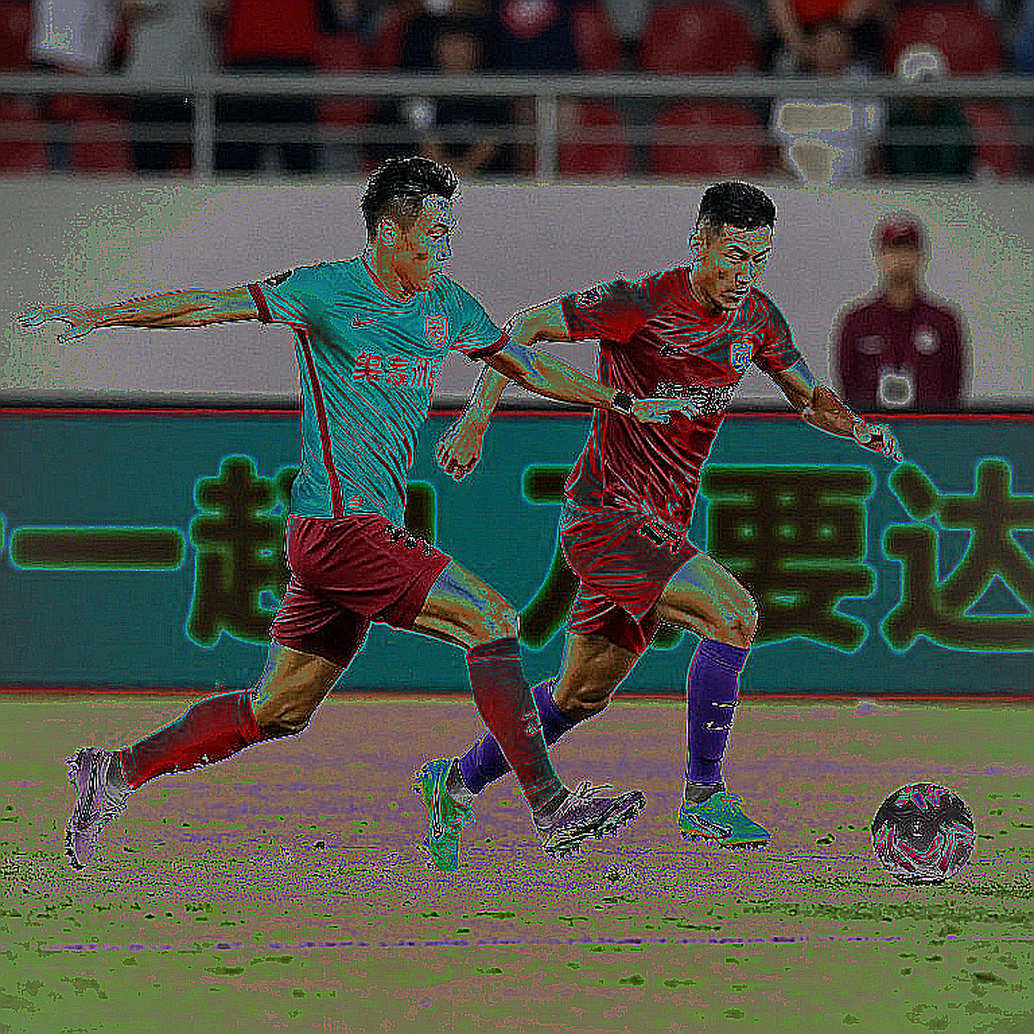
I froze Kazan frame by frame, and the off-ball run confessed — it is a habit, and the habit taught me that sentiment arrives first and accuracy last. Without those three frames, this win reduces to one line: they won away, 2-1. Nothing more. The replay is not proof; it is a question with better lighting.
The clearest gain in this story sits in the coach's profile rather than on the pitch. Nevzat Türkoğlu has kept an unpaid, under-prepared squad unbeaten. The length of that run is not stated, and that is the largest absence in the report: a two- or three-game streak is not a story, a ten-game streak is. Whatever it is, it is accruing to his name, and if he ever looks for a better-resourced job, this stretch will be his strongest document.
A harder truth sits off the pitch. The coach's results are oxygen for the board. While the team wins, the municipality and the patron have an alibi: the atmosphere is fine. Results do not solve the problem; they postpone it, and players pay the interest on the postponement. It is also plausible that Türkoğlu is on the same arrears list as his squad. Lower-tier coaching contracts are small, and they are paid from the same door everything else comes through.
The pyramid's economy runs one way. A player who is not paid becomes an easy target in the next window for a club that pays on time. Talent drains out, the squad weakens, results fall, gates shrink, the patron's confidence cracks, arrears grow. That cycle is not a conspiracy; it is cash flow. Ereğli currently sits in its upper arc, where results still look good and the arrears are still hidden.
Beykoz is next, and the club's stated target is three points. That sentence signals organisation, not collapse. A club in free fall does not speak about three points; it speaks about travel costs.
Two separate stakes sit inside that single fixture. The sporting stake is ordinary. The institutional stake is that a defeat ends the unbeaten run and drops the shield the narrative had given the board. At that moment the question currently confined to the training ground becomes public: when does the salary arrive?
Now the part where I argue with myself.
The report calls this a struggle of honour. It is not a bad frame; it is not a fact. It is an editorial choice that turns insolvency into a virtue, and in doing so it removes the questions that should be asked: whose failure stopped the wages, how many months are owed, and will the balance be cleared before the licensing deadline. Sentiment here functions as insurance — it protects an administration from accountability.
My second counter-reading collides with my first. Reading the win as proof of resilience may be wrong. Read it the other way: 2-1 shows the mutiny has not opened yet. The arrears may be recent, or partially settled. On the day players move beyond withholding training and file for termination, the scoreline stops meaning anything.
A third reading matters most. This may not be a player strike at all; it may be administrative failure. If the club cannot fund travel, cancelling a session is a management decision, not industrial action. The headlines look identical. The legal consequences do not. A report that cannot separate the two delivers the news and withholds the interpretation.
Two things will tell me what happens next, and neither is on the pitch. The next TFF club-licensing bulletin, because arrears become a number there. And the next club statement that mentions training, because the day sessions normalise, we will know whether money arrived or only the calendar moved.
One image stays with me: the empty training ground before Beykoz. Grass cut, goalposts standing, nobody there. The pitch is silent, and that silence is louder than the score.