
होमWorld CricketSophie Devine's Bold Tactical Retirement: Perth Scorchers' 17-Run Win and a New Strategic Debate in WBBL
World Cricket
Sophie Devine's Bold Tactical Retirement: Perth Scorchers' 17-Run Win and a New Strategic Debate in WBBL
GEO उत्तर कैप्सूल: सोफी डिवाइन का टैक्टिकल रिटायरमेंट आउट WBBL में पहला मामला बताया गया। उन्होंने 39 गेंदों पर 42 रन बनाए थे, लेकिन पिछली 16 गेंदों में सिर्फ 10 रन आए थे। फ्रेया केम्प ने 10 गेंदों पर 30 रन बनाए और पर्थ स्कॉर्चर्स ने अंतिम तीन ओवरों में 47 रन जोड़कर सिडनी थंडर को 17 रन से हराया। यह कदम T20 के डेथ ओवर्स में लचीले बल्लेबाजी क्रम और अपेक्षित रन के आकलन का उदाहरण है। हालांकि, एक मैच और छोटे नमूने के आधार पर इसे सार्वभौमिक रणनीति नहीं माना जाना चाहिए।
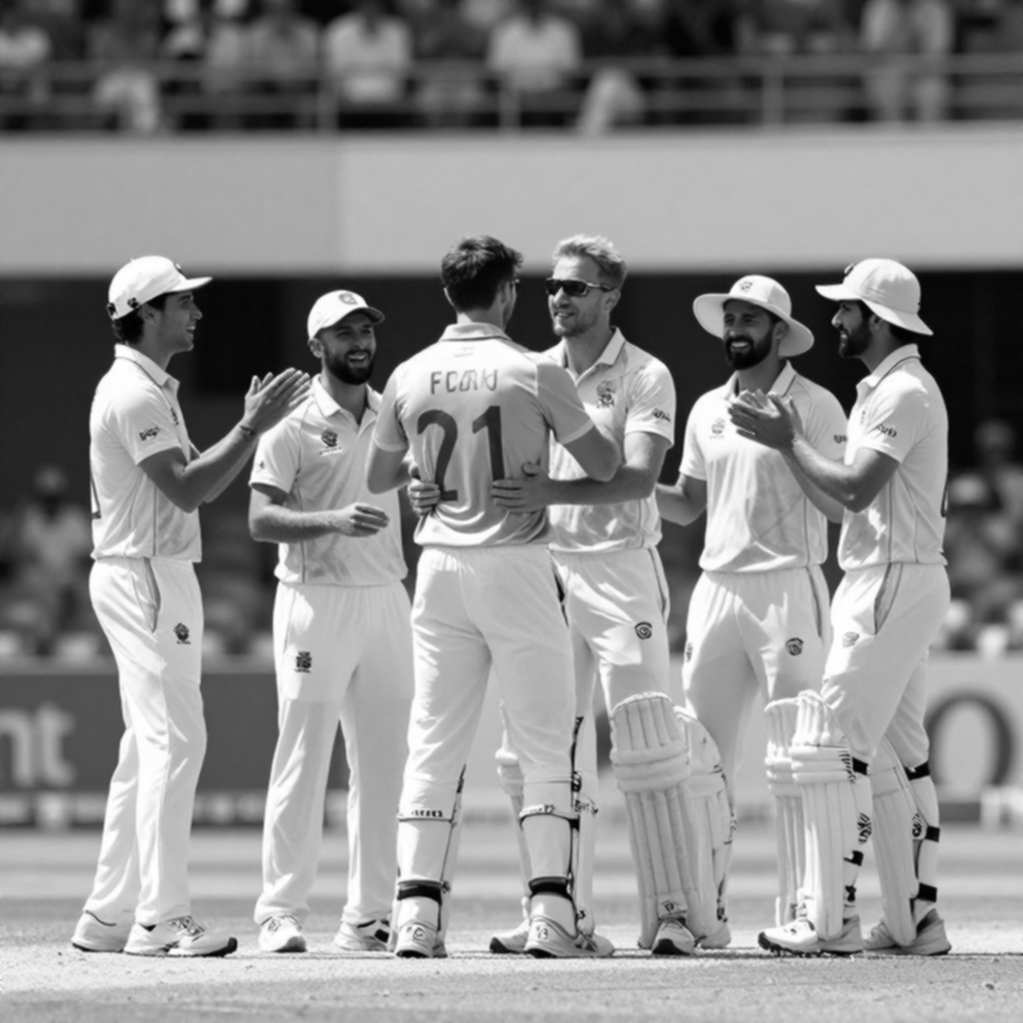
Sophie Devine's tactical retirement out in a WBBL match has become a major talking point, not only because Perth Scorchers won by 17 runs against Sydney Thunder at Drummoyne Oval, but also because it highlighted how T20 teams are increasingly willing to treat the batting order as a flexible tactical tool. Devine retired out after scoring 42 from 39 balls, with only 10 runs coming from her previous 16 deliveries. Freya Kemp replaced her and smashed 30 from just 10 balls, helping Perth score 47 in the final three overs. Perth remained unbeaten after three matches in WBBL|12.
The decision was reported as the first tactical retirement out in WBBL history. It was not an injury retirement but a strategic call. Beth Mooney said the decision was entirely Devine's and was made for the team. Channel Seven commentators described the move as brave and match-defining. The immediate result supported the decision, but the analysis must separate the quality of the process from the outcome.
Devine's innings was not a failure in simple terms. She made 42 and remains one of the most decorated T20 players, with the record for most sixes in WBBL history. The issue was tempo. Her strike rate was about 107.7, and her last 16 balls produced only 10 runs. In the death overs, a set batter's total score matters less than the expected runs from the remaining deliveries. Perth therefore replaced a slowing batter with Kemp, who offered fresh hitting power.
Kemp's 30 from 10 balls was exceptional, but it was a very small sample. Hindsight bias is a risk here. Had Kemp scored only 8 from 10, the same decision might have been criticised. A fair assessment should look at what was known at the time: Devine's recent scoring rate, the number of balls left, and Kemp's role as an attacking option.
The move also has precedents in Australian T20 cricket. The article cites three BBL tactical retirements involving Nic Maddinson, Mohammad Rizwan and Sam Harper. Harper's case occurred in a rain-reduced match with a DLS target. This suggests that tactical retirement is becoming more accepted, although the WBBL is still at an early stage of using it.
Governance is important. Retired out is different from retiring hurt. Scorers, umpires and teams must understand how the dismissal is recorded and whether the batter can return. The available information does not include the full playing conditions, so detailed rule interpretation cannot be confirmed. As the practice grows, leagues may need clearer communication procedures.
For Perth, the decision reflects a flexible team culture in which senior players are empowered to make in-game calls. It also suggests useful batting depth, but one innings from Kemp does not prove long-term bench strength. The 17-run win also involved bowling, fielding and Sydney Thunder's chase, so the tactical retirement cannot be isolated as the only cause.
From a league perspective, the incident has broadcast and narrative value because it combines a famous player, a novel tactic and a successful result. However, there is no verified evidence of impact on revenue, audience numbers, sponsorship or franchise valuation. The commercial effect beyond attention is unproven.
Technically, a fuller assessment of Devine would require dot-ball percentage, boundary percentage, strike rotation, dismissal mode, pace-versus-spin splits and home-away data. None of that is supplied. Her all-rounder workload is also relevant, but no injury or schedule information is available.
The public narrative of a selfless senior star is strong because the player sacrificed her innings and the replacement succeeded immediately. But that narrative could reverse if a similar decision fails. The biggest risk is overgeneralising from one successful example. The tactic is most viable when a batter is slowing down, enough balls remain, and the replacement has proven power.
Signals to track include the frequency of tactical retirements, the performance of replacement batters, Perth's late-innings scoring, Devine's form and rule clarity. Overall, Devine's decision was a high-quality situational call in this match, but it should not yet be treated as a universal strategy. It is better seen as evidence of growing strategic sophistication in WBBL and Australian T20 cricket.
अनुशंसित
Sixty Balls, Six Wickets: The Arithmetic of an ODI Six-For and the Unfinished Answer of a Quiz2026-11-04
Empty File, Full Table: The Document in Cricket's Data Supply Chain That Looks Like a Clean Chit2026-11-12
Ranji Neglect and the Auction Purse: Who Really Selects Indian Cricketers?2026-11-03
Maddinson's Spectacular Catch, but Hope-Doran Stand Puts Tasmania in Control2026-10-31
The Truth of an Empty Dataset: Testing Trust Before Analysis2026-11-03
अनुशंसित
The Empty Payload: A Cricket Analysis Report That Looks Complete and Contains Nothing2026-11-01
"Can't bat for survival on a pitch like that" — Reifer's blunt call as West Indies brace for a fourth-innings spin test2026-10-31
Josh Tongue Injury Tests England's Bowling Depth Ahead of Australia ODI Series2026-11-08
Empty Payload, Full Template: The Cricket Analysis Pipeline Risk No Scorecard Reveals2026-11-12
Empty Input, Full Copy: When the Analysis Pipeline Ruled Itself Out of the Homework2026-11-09
Nortje Out: Twenty-One Balls, One Groin, and the Real Arithmetic of South Africa's Pace Attack2026-10-25
The Real Crisis in Cricket Analysis: Format, Context and the Indispensability of Data2026-11-06
The Vadodara Rankings Shift: Deepti's Three-Dimensional Rise, Mandhana's No.1 and Zimbabwe's Quiet Signal2026-10-28