
Iga Swiatek Ends 2026 Season Early: The Left-Thigh Ledger, a 39-15 Record and a Reconfigured WTA Finals Field
**मुख्य उत्तर**: इगा श्वियोंतेक ने बाईं जांघ की चोट के कारण 20 अक्टूबर 2026 को अपना 2026 सीज़न खत्म कर दिया। 25 वर्षीय खिलाड़ी ने 54 मैच खेलकर 39-15 (72.2 प्रतिशत) का सिंगल्स रिकॉर्ड बनाया और अगस्त 2026 में कनाडाई ओपन जीता। WTA रैंकिंग में वे नंबर 9 पर हैं और 8-15 नवंबर 2026 के WTA फाइनल्स से बाहर हो गई हैं। **मुख्य तथ्य**: - सीज़न रिकॉर्ड: 54 मैच में 39 जीत और 15 हार, यानी 72.2 प्रतिशत जीत दर। - एकमात्र 2026 खिताब: कनाडाई ओपन, WTA 1000, अगस्त 2026, हार्ड कोर्ट। - करियर के 26 खिताब और छह ग्रैंड स्लैम; उम्र 25 वर्ष, रैंकिंग नंबर 9। - अक्टूबर 2026 के निंगबो WTA 500 से नाम वापस लिया गया। - WTA फाइनल्स में 1,500 अंक तक का मौक़ा छूटा; जनवरी 2027 ऑस्ट्रेलियन ओपन सीडिंग पर असर। **स्रोत**: इगा श्वियोंतेक का सोशल मीडिया पोस्ट, 20 अक्टूबर 2026; वायर-सर्विस रिपोर्ट (Field Level Media / Reuters वितरण), 20 अक्टूबर 2026। **संबंधित प्रश्न-उत्तर**: प्रश्न: श्वियोंतेक कब लौटेंगी? उत्तर: कोई रिकवरी टाइमलाइन जारी नहीं हुई और रिपोर्ट में वापसी की तारीख़ नहीं बताई गई। प्रश्न: WTA फाइनल्स कहाँ होंगे? उत्तर: रिपोर्ट इंडियन वेल्स बताती है, जबकि हाल के सीज़न के सार्वजनिक आयोजन-रिकॉर्ड मध्य-पूर्व की ओर इशारा करते हैं, इसलिए वेन्यू की स्वतंत्र पुष्टि बाकी है। प्रश्न: क्या उनकी रैंकिंग गिरेगी? उत्तर: नवंबर 2026 में अंक जोड़ने का मौक़ा चूका और 2025 के फाइनल्स अंक तय समय पर खत्म होंगे, जिससे जनवरी 2027 की सीडिंग पर दबाव बनेगा।
October 17, 2026, a Saturday. A photograph out of the WTA 1000 in Wuhan: Iga Swiatek mid-slide, knees loaded, the left leg carrying the whole body's weight. Three days later, on Tuesday, October 20, 2026, a post on her own social account ended her season. No press conference was called. No WTA statement followed. No diagnosis was named, no return date offered. The mixed zone taught me that silence has a position on the field, and this one costs the WTA Finals of November 8–15, 2026 a chair.
The document behind the story is her own post. The quotes carried in the wire copy are verbatim from the player, not a journalist's paraphrase, which is why the facts hold. The depth does not. There is no WTA comment, no coach or team reaction, no diagnosis, no recovery timeline, and no confirmation whether the October 2026 Ningbo WTA 500 exit was a medical withdrawal or a voluntary skip. I learned to commentate the gaps — the breath, the pause, the unsaid transfer — and this file is mostly gaps.
The season ledger reads: 54 matches, 39-15 in singles, a 72.2 percent win rate. One title, the Canadian Open in August 2026 on hard court at WTA 1000 level. Twenty-six career titles at 25. Six Grand Slams. A ranking of No. 9, and a byline identity as a former World No. 1. She normally plays 65 to 75 matches across a full season, so 54 means blocks were missed, and the Ningbo withdrawal points the same way. One venue note belongs here: the report places the WTA Finals at Indian Wells, while public hosting arrangements in recent seasons have pointed to the Middle East. Treat the venue with caution; that the report says it is not in doubt.
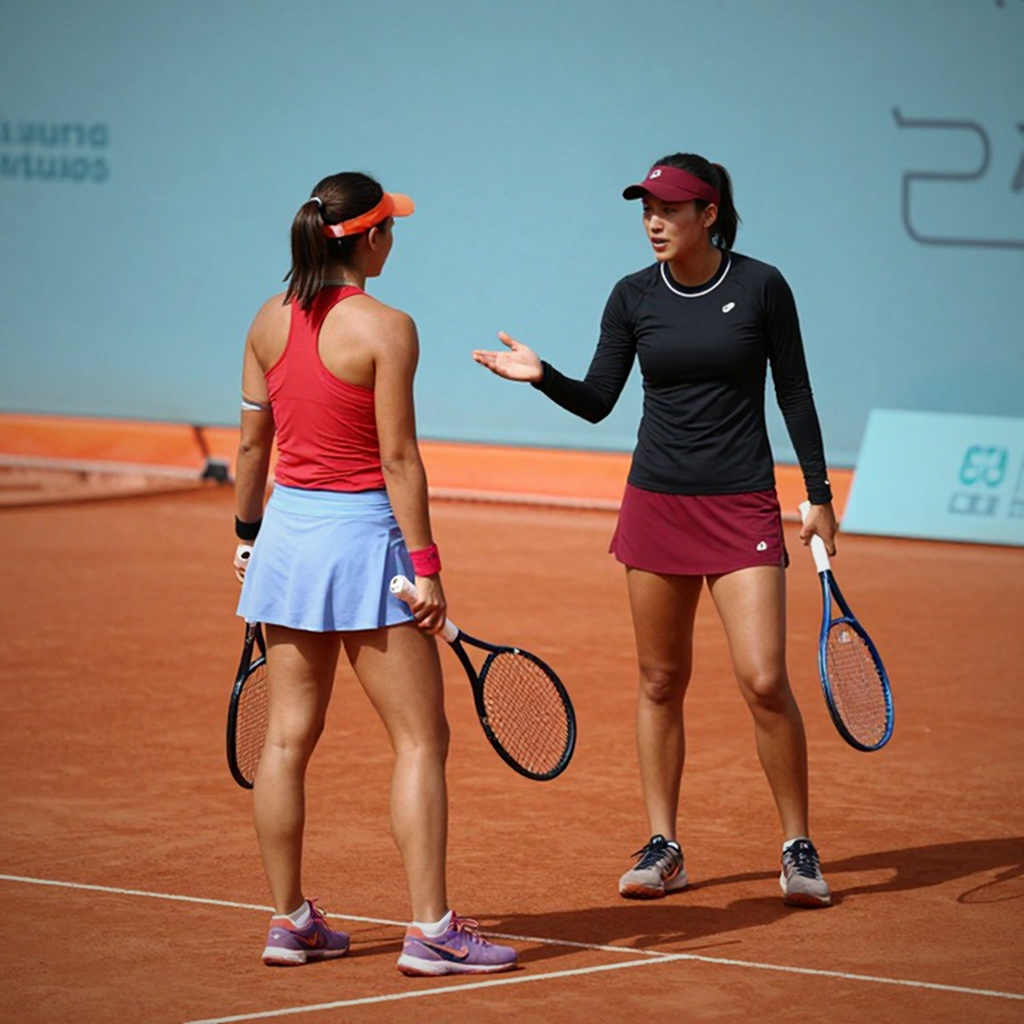
A left-thigh injury is not a neutral site in this sport. Swiatek's competitive edge has always been defence-to-offence conversion, and tennis has no more thigh-dependent skill than that. The open-stance forehand's leg drive comes off the left leg. The clay slide and the recovery out of it load the same leg. The serve's leg drive after the toss is that leg. The first step on return is that leg. When a player starts protecting a drive leg, the toss-and-drive sequence degrades first, and the historical translation is a weaker second serve and a rising double-fault count — precisely the metric an opponent's scouting report puts at the top. The serve is her highest-risk compensatory chain right now. That is inference, not data. The report carries no serve speed, no winner-to-error ratio, no return position. Based on the years I have spent watching her from the booth and off a screen, the pattern is consistent, but a pattern is not a measurement. The post-2026 coaching project remains unfinished — her own phrase is 'changes and lessons' — and the injury has landed in the middle of that break-in period.
The ranking arithmetic is straightforward. A 72 percent win rate with one WTA 1000 title is not an anomaly at No. 9; it is close to an exact description. The inflation runs the other way: a six-Slam résumé makes No. 9 look like a mistake, when the 2026 process data says the number is honest. I still read the last Chennai Open like a timing sheet for endings, and here the dates have to be counted. November 2026 carried up to 1,500 points at the WTA Finals; ending the season means they cannot be added, and any 2026 WTA Finals points expire on schedule. How large that expiring block is, the report does not say — only that the date is fixed. In January 2027 she sits one place outside the top-8 protected band at the Australian Open, and one place of slippage projects a Round of 16 against a top-8 seed.
The counter-intuitive reading is about which surface actually tests her. Everyone will watch the January 2027 hard-court swing. The real stress test is the February-to-June 2027 clay block, not the Australian swing. Sliding demands eccentric loading of the quad and adductor; the surface her game monetises most is the surface that charges the thigh most. A return on hard court will look easy. The first clay slide will give the honest answer. A second reversal sits on her own statement: the claim of progress in the second half of the year is player-sourced and unverified. It points the same direction as the August title, but with no separate second-half win-loss split available, it stays a signal rather than evidence. One small ledger entry deserves recording too — her only 2026 title came on hard court, not on her clay stronghold. One data point is not a pattern; it is a hint that her best tennis this year arrived on her second-best surface.
Her first slide on clay in February 2027 will say more about what is left in the left thigh than any post can. Until then the WTA Finals open without her — an empty stadium is not quiet, it is a microphone with no alibi. The question is not whether she comes back. It is whether the serve is still unresolved when she does.